Losing a loved one is never easy. In the middle of grief, many families need clear answers about what to do next and what to expect from the funeral process.
A Buddhist funeral in Malaysia is usually centered on respect, prayer, simplicity, and merit-making. The purpose is not only to honor the deceased, but also to create a peaceful environment for family members and loved ones to say goodbye. Depending on the family’s beliefs and traditions, the funeral may include chanting by monks, offerings, wake arrangements, and a final cremation or burial.
In Malaysia, especially among Chinese Buddhist families in Kuala Lumpur and Selangor, Buddhist funeral customs may also include cultural practices that reflect local traditions. Because of this, no two funerals are exactly the same. Still, there are common elements that most families can expect.
Key Takeaways
- A Buddhist funeral in Malaysia typically includes a wake, Buddhist chanting, prayers, offerings, and a final cremation or burial.
- Chinese Buddhist funeral customs in Malaysia, especially in Kuala Lumpur and Selangor, often combine Buddhist rites with traditional Chinese funeral practices.
- A Buddhist wake in Malaysia usually lasts between 3 and 7 days, giving family and friends time to pay respects and take part in prayers.
- Chanting by monks or nuns is an important part of Buddhist funeral rites in Malaysia and is often performed to transfer merit to the deceased.
- Cremation is a common choice for Buddhist funerals in Kuala Lumpur, while families with ancestral or traditional preferences still choose burial.
- Buddhist mourning rituals in Malaysia may continue after the funeral, including 49-day prayers, 100th-day ceremonies, and annual remembrance practices.
Understanding the Purpose of a Buddhist Funeral
The main purpose of a Buddhist funeral is to honor the deceased and help create a calm, meaningful transition after death. Buddhist teachings often emphasize impermanence, compassion and the importance of a peaceful state of mind. During the funeral, prayers and chanting may be carried out to generate merit and dedicate blessings to the departed.
For the family, the funeral is also a time to gather, mourn, pay respects and support one another. In many Malaysian Buddhist funerals, the atmosphere is solemn yet peaceful, with attention to dignity, gratitude, and spiritual reflection.
What Happens Immediately After a Buddhist Dies in Malaysia?
When a death occurs, the family usually begins by contacting a funeral service provider. In Malaysia, funeral professionals often assist with body collection, transportation, documentation, and setup of the funeral wake. This is especially important in Kuala Lumpur, where arrangements may need to be made quickly and efficiently.
Family members may also contact monks, temple representatives, or spiritual advisors if they want religious guidance. In some cases, chanting may begin soon after the death, depending on the tradition observed.
At this stage, several practical matters are usually handled:
- Confirming the death and obtaining the required documents
- Arranging transport of the deceased
- Choosing the funeral venue
- Deciding between burial and cremation
- Setting dates for the wake and final service
- Informing relatives and close friends
Because this period is emotionally overwhelming, working with an experienced funeral service provider can help reduce stress and ensure that Buddhist customs are followed properly.
The Buddhist Wake: Rituals and Duration
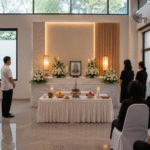
The wake or the period during which the body lies in repose before burial or cremation, is the heart of a Buddhist funeral in Malaysia. It is a time for prayer, community support and spiritual preparation.
How long does a Buddhist wake last in Malaysia?
A Buddhist wake typically lasts between 3 and 7 days. However, it can be shorter or longer depending on the family’s wishes and the availability of an auspicious date for cremation or burial. The duration is not arbitrary; it is tied to Buddhist beliefs about the consciousness still being close to the body during this transitional period, particularly in Mahayana and Chinese Buddhist traditions.
Families often keep vigil through the night, especially on the final night before the cremation. Friends, neighbours and extended family members rotate shifts to ensure someone is always present at the altar.
Altar setup and offerings
The altar area adjacent to the coffin is central to the wake. It typically includes:
- Incense sticks and joss paper burned throughout the day and night to symbolically communicate with and provide for the deceased in the afterlife
- Candles represent light to guide the soul
- Fresh flowers like white chrysanthemums are the most common, symbolising grief and purity
- Fruit and vegetarian food offerings are placed as nourishment for the soul
- A framed photograph of the deceased serves as the spiritual focal point of the altar
Joss sticks are kept burning continuously throughout the wake. Family members take turns lighting new ones as they burn down, which is also a gentle way for guests to pay their respects by lighting a joss stick and bowing before the altar.
Chanting sessions and the role of monks
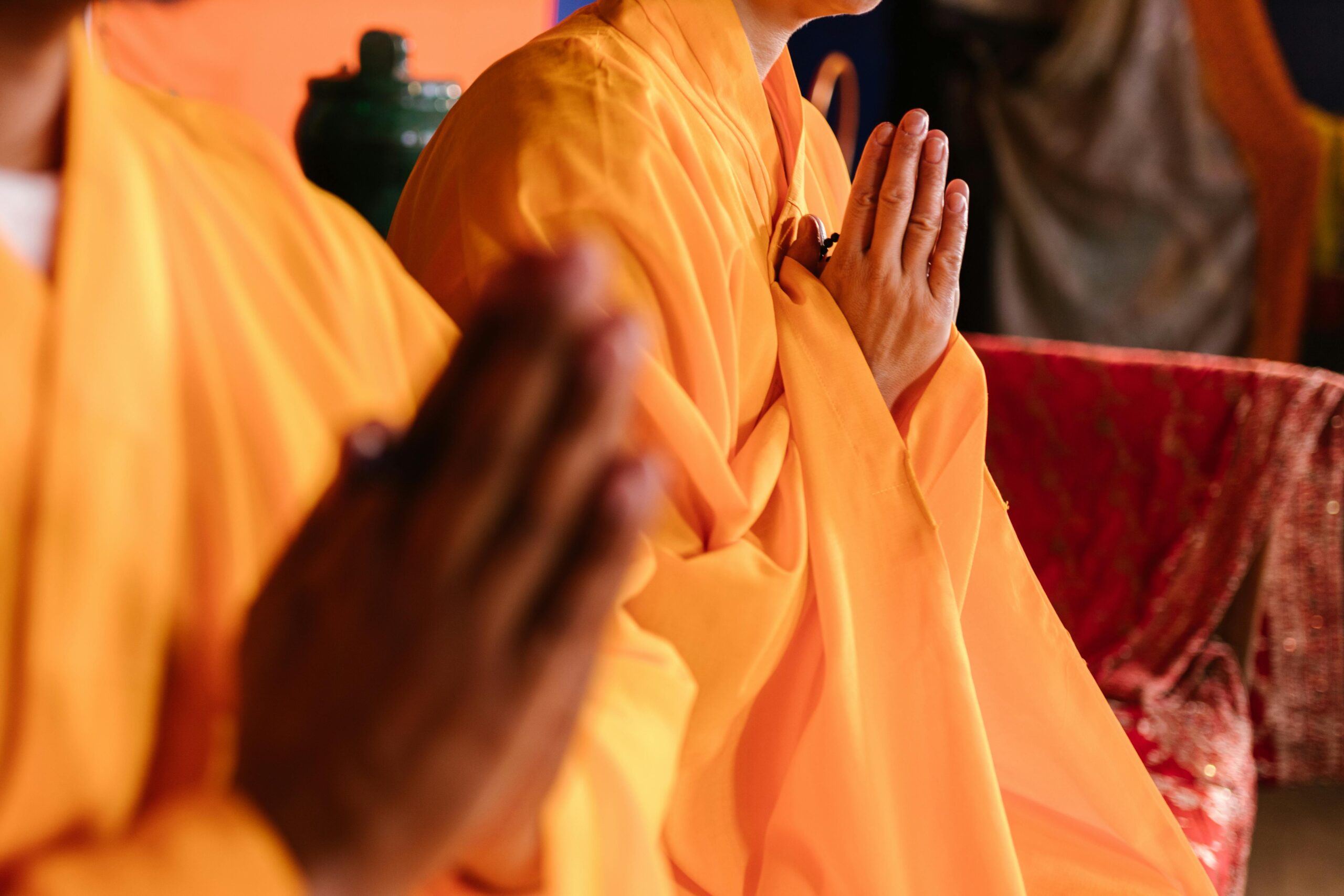
Chanting is one of the most important parts of a Buddhist funeral in Malaysia. Monks or nuns from local temples are invited to lead the family in sutra recitation.
In Chinese Mahayana Buddhist funerals, the most common chant is the name of Amitabha Buddha (“Namo Amituofo”), repeated in a rhythmic, meditative flow. This is done to invoke the compassion of Amitabha Buddha, who in Pure Land Buddhist belief, guides souls to the Western Pure Land.
- Why Chanting? Buddhists believe that the vibrations and meanings of the sutras help calm the spirit of the deceased and guide them toward a favorable rebirth.
- Transfer of Merit: Family members often participate in the chanting to “transfer merit” to their loved one, which is believed to help the deceased on their spiritual journey.
- Frequency: In a typical funeral, chanting sessions may occur 2-3 times per day, typically in the morning, afternoon and evening.
Guest etiquette during the wake
If you have been invited to attend a Buddhist wake in Malaysia, here is what you need to know:
- Dress code: Wear white, black, dark grey or other muted tones. Avoid red entirely. Clothing should be modest and conservative.
- Arrival: Sign the condolence book at the entrance if one is available. Present your condolence envelope to a family member near the entrance.
- Condolence money: It is customary to bring a white envelope containing cash. This contribution (known as pek kim in Hokkien) helps offset funeral costs and is a gesture of community support. Typical amounts in Malaysia range from RM 50 to RM 200 or more, depending on your relationship with the family.
- At the altar: Approach the altar, take a joss stick from the holder, light it, and bow three times while holding the stick with both hands. Place it back in the holder. Bow once more before stepping back.
- Food: Many wakes offer a simple meal for guests. Some families observe a vegetarian period during the wake; follow the lead of the hosts.
The Buddhist Funeral Ceremony: Prayers, Procession and Final Rites
On the final day of the wake or the day of cremation or burial, a formal funeral ceremony takes place. This is the most structured and solemn portion of the entire event.
Order of the funeral service
The funeral ceremony typically follows this sequence:
- Opening prayers led by the presiding monk or religious officiant
- Eulogies and tributes from family members or close friends (this is more common in modern funerals)
- Final sutra chanting, which is a longer, more elaborate chanting session as the last spiritual send-off
- Farewell bowing, where family members and guests approach the coffin in order and bow three times as a final farewell
- Closing of the coffin is done with ceremony and reverence; in some traditions, mirrors in the room are covered beforehand
- Procession to the crematorium or burial site
The funeral procession in Malaysia
The procession is the journey from the wake location to the place of cremation or burial. In traditional Malaysian Chinese Buddhist funerals, this procession can be an elaborate affair involving:
- A decorated hearse carrying the coffin
- Family members walking behind the hearse, sometimes barefoot as a gesture of humility
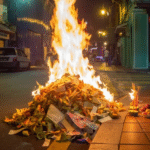
- The burning of paper offerings, including paper money, paper effigies of houses, cars, clothing, and everyday items along the route or at the destination, so the deceased will have what they need in the afterlife
- In some communities, a funeral band playing solemn music accompanies the procession
Modern funerals in urban areas like Kuala Lumpur and Penang tend to simplify the procession, using motorcades and limiting paper burning to designated areas due to local ordinances.
Cremation vs Burial in Buddhist Funerals in Malaysia
Both cremation and burial are possible in Buddhist funerals in Malaysia. However, cremation is very common, especially in cities like Kuala Lumpur, where land is limited and cremation is often more practical.
Why Many Families Choose Cremation
Cremation is often preferred because:
- It is common in Buddhist funeral practice
- It is practical in urban Malaysia
- It may cost less than burial in some cases
- It allows flexible memorial options for ashes
After cremation, ashes may be placed in an urn, columbarium, temple niche or another memorial setting chosen by the family. Most families in KL store the ashes in an urn within a columbarium niche, such as those found at Nirvana Memorial Park or Kwong Yee Pagoda.
When Burial May Be Chosen
Burial may still be selected for cultural, personal or family reasons. It is normally selected when:
- The family has a strong traditional preference
- There is an ancestral plot or cemetery arrangement
- Cultural values favor a gravesite for future visits
- The deceased expressed a clear wish for burial
Both cremation and burial can be carried out respectfully within a Buddhist funeral framework.
After the Funeral: Mourning Rituals and the 49-Day
The funeral ceremony is not the end of the mourning process in Buddhist tradition. What follows is a sustained period of prayer and merit-making that can last up to a year or beyond.
The significance of 49 days in Buddhism
In Mahayana Buddhist belief, which heavily influences Chinese Buddhist practice in Malaysia, the consciousness of the deceased is said to exist in an intermediate state (known in Tibetan Buddhism as the bardo) for up to 49 days after death, during which it seeks its next rebirth.
During this period, the actions of the living can influence the deceased’s journey. Family members hold prayers every 7th day (the 7th, 14th, 21st day, and so on up to the 49th), during which monks are invited to chant, family members burn offerings, and merits are dedicated to the deceased. This practice, known as merit transference, is one of the most profound expressions of love and care in Buddhist tradition.
The 49-day period also comes with behavioural guidelines for the immediate family: avoiding celebrations, weddings, and loud festivities; refraining from killing animals; and maintaining a vegetarian diet on certain days.
100th day and first-year anniversary prayers
Beyond the 49 days, many families observe:
- The 100th day ceremony is another round of prayers and offerings, marking the end of the primary mourning period
- The first death anniversary is a gathering of family and close friends to pray, make offerings, and remember the deceased
- Qing Ming (清明节) is observed in April each year, when families visit graves or columbaria to clean the site, make offerings and burn joss paper in remembrance of ancestors
- Hungry Ghost Festival (盂兰盆节) is held in the seventh lunar month, during which prayers and offerings are made for all wandering souls, including one’s own ancestors
Mourning customs and what family members should observe
The immediate family (particularly the spouse, children, and parents of the deceased) is expected to observe a mourning period. Common practices include:
- Avoiding red and bright colours in clothing for at least 100 days, sometimes a full year
- Not attending weddings, celebrations, or large festive gatherings during the mourning period
- Maintaining a home altar with the deceased’s photograph, incense and offerings
- Reciting Buddhist prayers regularly during the 49-days
- Some families observe vegetarian days (typically the 1st and 15th of the lunar month) as an act of merit-making
How Much Does a Buddhist Funeral Cost in Malaysia?
Funeral costs in Malaysia vary significantly depending on the type of service, duration, location and add-ons chosen by the family. Below is a general guide.
Breakdown of typical expenses
| Item | Estimated Cost (RM) |
| Funeral director package (basic) | RM 5,000 – RM 10,000 |
| Funeral director package (full & traditional) | RM 15,000 – RM 30,000+ |
| Monk/temple chanting services | RM 500 – RM 3,000 |
| Coffin (basic timber to premium hardwood) | RM 1,500 – RM 15,000 |
| Cremation fees (public crematorium) | RM 300 – RM 800 |
| Cremation fees (private crematorium) | RM 1,500 – RM 5,000 |
| Columbarium niche (temple) | RM 2,000 – RM 20,000+ |
| Paper offerings, flowers & catering | RM 1,000 – RM 5,000 |
Total costs for a moderate, traditional Buddhist funeral in Malaysia typically fall between RM 15,000 and RM 25,000, though families on tighter budgets can manage a dignified service for RM 5,000–RM 8,000 with simpler choices.
How to Choose a Buddhist Funeral Service in Malaysia
If you are planning a funeral, choosing the right service provider can reduce stress and help ensure the funeral is handled properly. Look for a provider with experience in Buddhist funeral arrangements in Malaysia, especially if your family follows Chinese Buddhist customs.
Important questions to ask include:
- Do you regularly handle Buddhist funerals?
- Can you arrange chanting by monks or nuns?
- What is included in the package?
- Can the service be customized for family traditions?
- Do you assist with cremation or burial planning?
- Is pricing transparent and itemized?
A compassionate and experienced provider can guide families through each step with clarity and care.
Final Thoughts
A Buddhist funeral in Malaysia is a meaningful ceremony centered on peace, respect, and spiritual reflection. While customs may vary, the general process usually includes a wake, prayers, chanting, offerings, and a final cremation or burial. For many families, especially in Kuala Lumpur, the funeral may also reflect Chinese cultural traditions alongside Buddhist practices.
If you are planning a Buddhist funeral, understanding the process can help you make informed decisions during a very difficult time. With the right guidance and support, families can create a respectful and compassionate farewell that honors their loved one in a sincere and dignified way.