Key Takeaways
- Funeral etiquette is about showing respect and support for the deceased and their family during a difficult time.
- Understanding what to do at a funeral such as dressing modestly, arriving on time, and offering condolences helps maintain a respectful atmosphere.
- Avoid common mistakes like talking loudly, using your phone, taking photos, or bringing uninvited guests, as these behaviours can be seen as disrespectful.
- A gentle, sincere smile while sharing memories is generally acceptable.
- Certain actions, such as dressing inappropriately or interrupting the ceremony, may be considered disrespectful at a funeral.
- The most important aspect of funeral etiquette is showing empathy, compassion, and quiet support to the grieving family.
Attending a funeral can be an emotional and unfamiliar experience, especially if you are unsure about the proper way to behave. Many people worry about saying the wrong thing, dressing inappropriately, or unintentionally offending the grieving family.
Understanding funeral etiquette helps you show respect for the deceased and provide support to the family during a difficult time. While customs may vary depending on religion or culture, there are generally accepted guidelines that apply to most funeral services.
In this guide, we will explain the most important funeral etiquette rules, including what you should do, what you should avoid, and how to behave respectfully during a funeral.
Why Funeral Etiquette Matters
Funerals are solemn occasions held to honour the life of the deceased and provide closure for family and friends. Proper funeral etiquette ensures that the atmosphere remains respectful and comforting for those who are grieving.
Following funeral etiquette rules is not about strict social expectations. Instead, it is about showing empathy, compassion, and understanding toward the family of the deceased.
Different cultures and religions have their own funeral traditions. For example, Buddhist, Taoist, Christian, and Muslim funerals may follow different rituals and customs. However, the basic principle remains the same: behave respectfully and be mindful of the emotions of others.
If you are unsure how to behave at a funeral, the safest approach is to remain quiet, respectful, and supportive throughout the service.
The Do’s of a Funeral
Many people feel uncertain about what to do at a funeral, especially if they are attending one for the first time.There are several respectful behaviours that are generally expected at most services.
- Dress appropriately
Wearing modest and respectful clothing is one of the most important aspects of funeral etiquette. Dark or muted colours such as black, navy, or grey are commonly worn to funerals.
Avoid bright colours, flashy accessories, or overly casual clothing. Dressing respectfully shows that you acknowledge the solemn nature of the occasion.
- Arrive on time
Arriving on time ensures that the service is not disrupted. If you arrive late, enter quietly and take a seat at the back to avoid disturbing the ceremony.
- Offer condolences
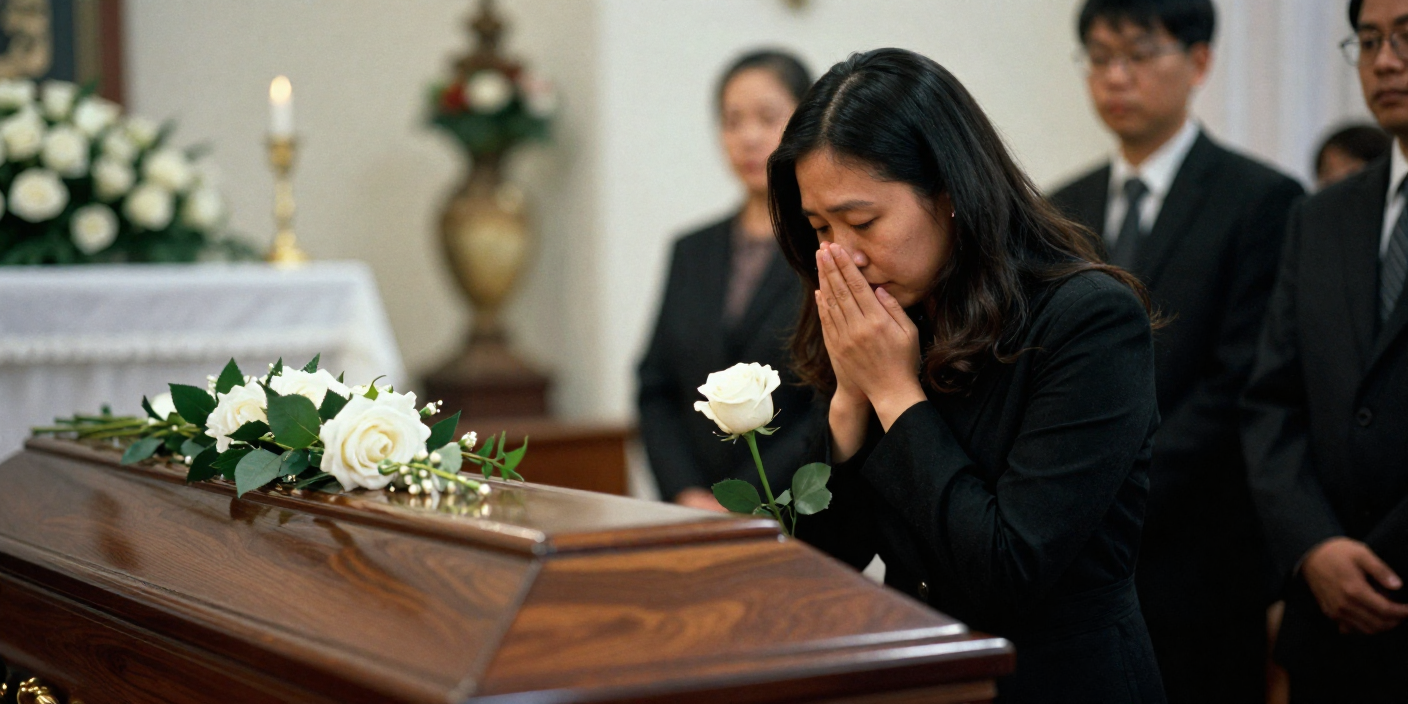
One of the most meaningful things you can do at a funeral is to express your sympathy to the grieving family. A simple message such as: “I’m very sorry for your loss.” is often enough. You do not need to give a long speech, your presence and support matter more.
- Follow the service customs
If the funeral includes religious rituals, prayers, or chanting, observe quietly and follow along if appropriate. When in doubt, watch what others are doing.
Respecting these customs is an important part of proper funeral etiquette.
- Keep your phone silent
Always switch your phone to silent mode before entering the funeral hall. Phone notifications or calls during the ceremony can be very disruptive and disrespectful.
What Should You Not Do at a Funeral?
Many people feel anxious about attending a funeral because they are worried about making a mistake. Fortunately, avoiding a few common behaviours will help you maintain proper funeral etiquette.
- Do not talk loudly
Funerals are quiet and reflective events. Speaking loudly or having casual conversations can disturb the solemn atmosphere.
- Do not take photos
Unless the family has clearly allowed photography, taking photos at a funeral is generally considered inappropriate.
- Do not check your phone frequently
Constantly checking your phone can appear disrespectful and inattentive during the ceremony.
- Do not bring uninvited guests
Funerals are usually intended for close family, friends, and invited guests. Bringing someone who did not know the deceased may make the situation uncomfortable.
- Do not leave abruptly
If you must leave early, do so quietly and without drawing attention to yourself.
Is It Okay to Smile at a Funeral?
Many people wonder whether smiling at a funeral is inappropriate. In reality, a gentle smile is not necessarily disrespectful.
Funerals are not only about mourning the loss of a loved one, they are also about remembering the life and memories shared with that person.
A warm smile while sharing a memory or comforting a grieving family member can actually bring reassurance. However, it is important to be mindful of the situation. Loud laughter or joking may be seen as insensitive, especially during formal parts of the service.
The key is to remain sincere and respectful.
What Is Disrespectful at a Funeral?
Certain behaviours are widely considered disrespectful at a funeral.
- Dressing inappropriately
Wearing overly casual clothing such as shorts, slippers, or revealing outfits can appear insensitive to the solemn nature of the event.
- Making the event about yourself
A funeral should focus on honouring the deceased and supporting their family. Avoid drawing attention to yourself or sharing unrelated personal stories.
- Speaking negatively about the deceased
Even if you had disagreements with the person who passed away, a funeral is not the appropriate place to discuss them.
- Interrupting the ceremony
Walking around, talking, or using your phone during the ceremony can be disruptive and disrespectful.
- Ignoring the grieving family
Failing to acknowledge the family or offer condolences may come across as dismissive.
Cultural Differences in Funeral Etiquette
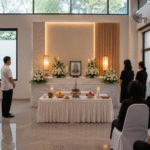
Funeral etiquette can vary significantly depending on religious beliefs and cultural traditions. Different communities follow specific funeral customs that reflect their spiritual beliefs about death, mourning, and the afterlife.
For example:
- Muslim funerals follow specific Islamic practices that emphasize simplicity and respect. The body is typically washed and shrouded before burial, followed by a special congregational prayer known as Salat al-Janazah.
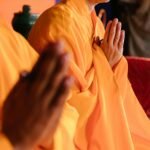
- Buddhist funerals often include chanting and offerings intended to guide the spirit of the deceased.
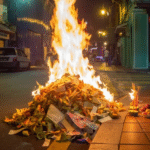
- Taoist funerals may involve ceremonial rituals performed by priests, including symbolic offerings and music.
- Christian funerals usually focus on prayer, hymns, and sermons celebrating the life of the deceased.
Because Malaysia is a multicultural society, it is common for funeral services to follow different traditions. If you are unsure about the appropriate behaviour, observing quietly and following the guidance of the host family is the best approach.
How to Support a Grieving Family at a Funeral
Beyond following etiquette rules, attending a funeral is ultimately about showing compassion.
Here are a few simple ways to support a grieving family:
- Offer a sincere condolence message
- Be present and attentive during the service
- Send flowers or a sympathy card
- Respect the family’s customs and traditions
Sometimes, the most meaningful support comes simply from being there.
Conclusion
Understanding the do’s and don’ts of a funeral can help you feel more confident when attending a memorial service. While specific customs may differ depending on religion or culture, the basic principle of funeral etiquette remains the same: show respect, empathy, and support for the grieving family.
By dressing appropriately, behaving respectfully, and offering sincere condolences, you can honour the memory of the deceased and provide comfort to those who are mourning.
If you are unsure about funeral arrangements or cultural customs, speaking with a professional funeral service provider can also help guide you through the process.